Solutions
Optical Network Construction
Design, permitting and build: the optical network, end to end.
LGC's field experience
Over 15,000 km of fiber built in 30 cities in Brazil.
Overview
Design, permitting and build: the optical network, end to end.
An outside-plant optical network takes much more than pulling cable. The route has to be designed, authorizations have to be obtained from power utilities, city halls, highway concessionaires and other agencies, the work has to be built in the field, and the result has to be proven with tests. LGC handles these stages, from design to as-built.
We have built over 15,000 km of fiber in 30 cities in Brazil, in GPON networks, backbone, HDD projects and other solutions. That field experience guides the design from day one: the route and the construction method are chosen considering the site, the agencies involved and the operation the network will support.
What we deliver
Clear scope, from start to finish
Detailed design and as-built
Design of the route and network topology, and final documentation of what was actually built.
FTTH and GPON networks
Construction of access networks that bring fiber to the subscriber, with the architecture defined in the design.
Backbone and metropolitan networks
Long-haul optical trunks and urban rings to interconnect points of presence, cities and access networks.
Underground and aerial networks
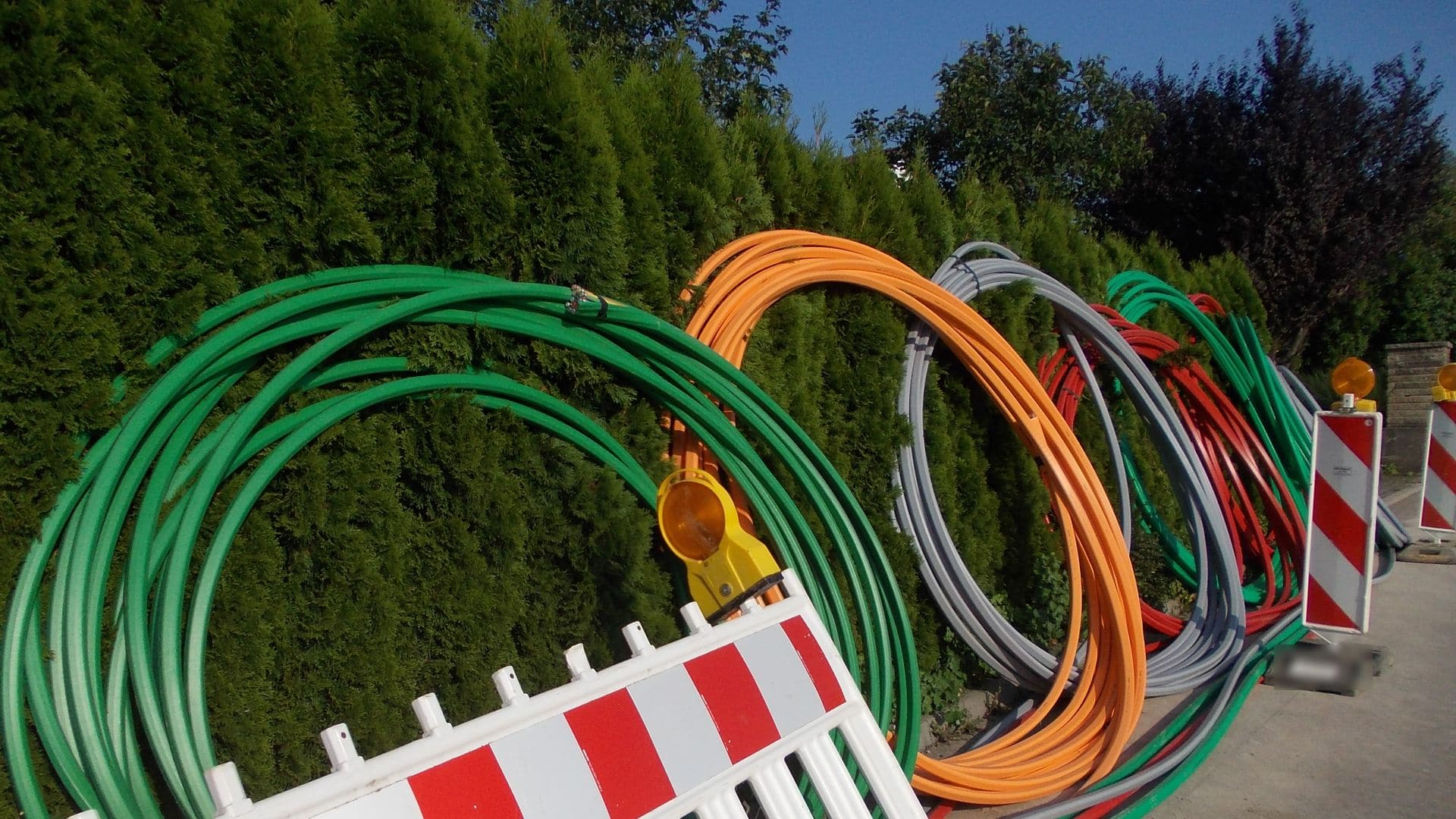
Construction in ducts and trenches and installation on poles, following the route and the permits obtained.
HDD: directional drilling
A trenchless method for crossing streets, highways and other obstacles without opening a trench along the whole route.
Permitting and filings
Design and filings with power utilities, city halls, highway concessionaires and other agencies.
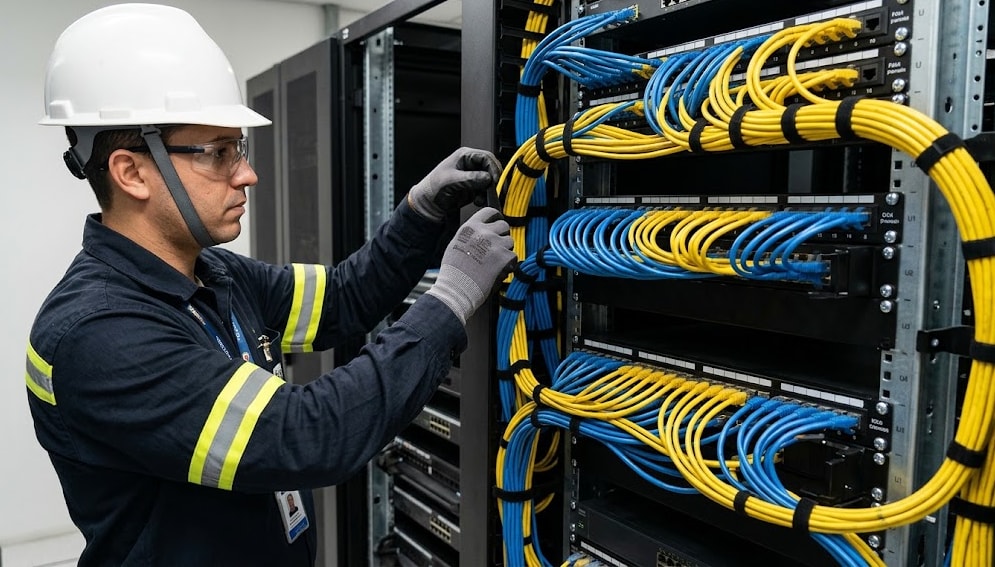
Cable pulling and installation
Pulling through ducts, underground and on poles, with care for tension and bend radius.
Splicing and fusion
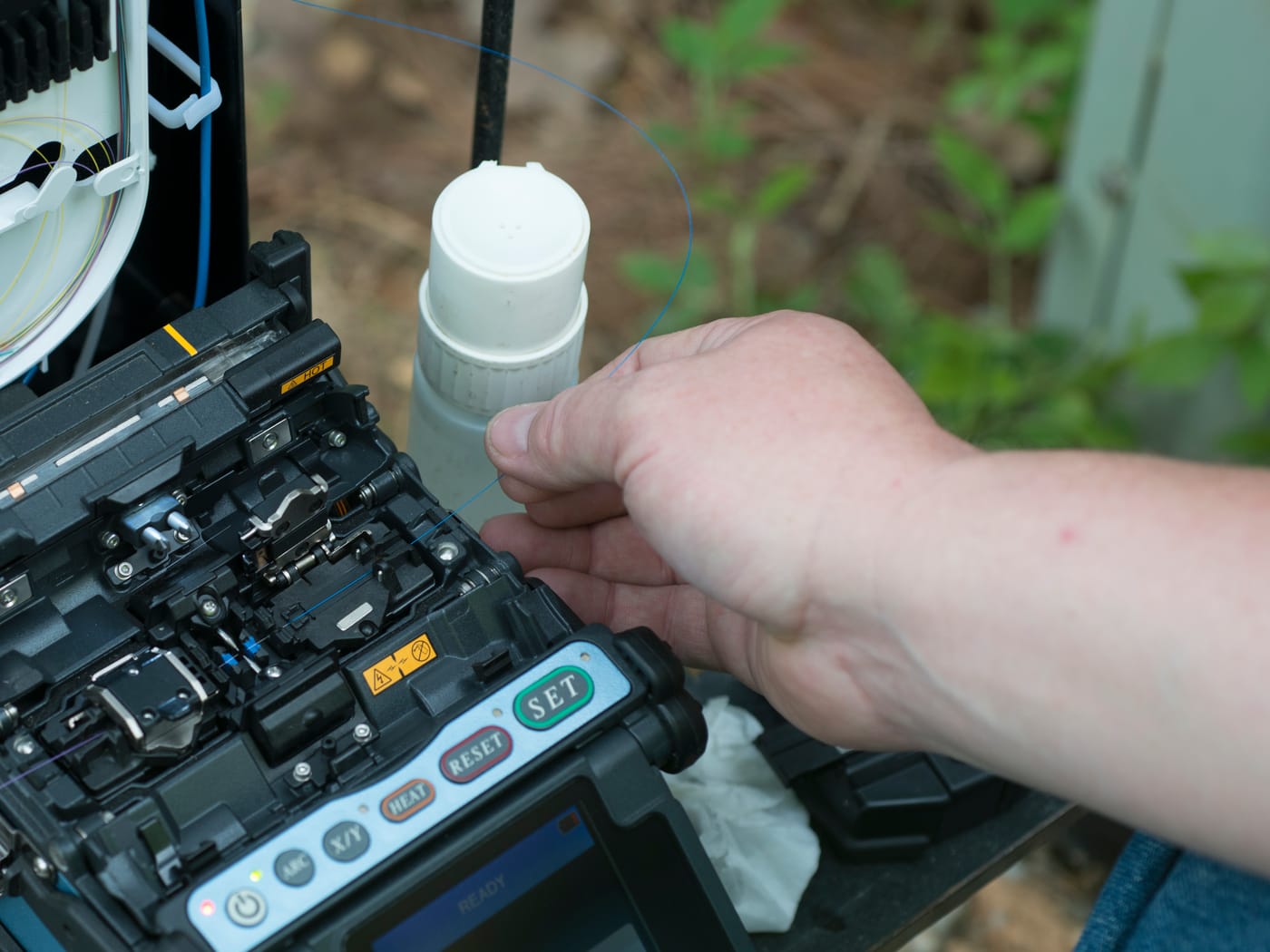
Fusion splices, organization in closures and labeling of each segment.
OTDR and power testing
OTDR and optical power measurements, with the result recorded for each segment.
Step 1: Survey
We survey the route, the interferences and the agencies involved, and align with you on the purpose of the network.
Step 2: Design
We develop the detailed design of the route, the topology and the construction method.
Step 3: Permitting
We prepare and file the requests with power utilities, city halls, highway concessionaires and other agencies, and follow their progress.
Step 4: Construction
We build the network in the field: trenches, ducts, HDD, cable pulling, splicing and fusion, using the method defined in the design.
Step 5: Testing and commissioning
We measure with OTDR and optical power and record the result for each segment.
Step 6: Handover and documentation
We hand over the network with as-built documentation and test records.
Benefits
What changes for your operation
Design, permits and build with one partner
Fewer interfaces to coordinate between designer, permit agent and builder.
Field experience
Over 15,000 km of fiber built in 30 cities in Brazil.
The right method for each segment
Trench, aerial or HDD, chosen according to the site and the permits.
A documented network
As-built and test records that make future operation and maintenance easier.
Frequently asked questions
Common questions
Didn't find yours? Talk to the LGC team.
Does LGC handle the permitting?
Yes. We carry out the design and the filings with power utilities, city halls, highway concessionaires and other agencies. Timelines depend on each agency and are informed after the survey.
What is HDD?
Horizontal directional drilling is a trenchless, non-destructive method. It lets the duct pass under streets, highways and other obstacles without opening a trench along the whole route. The use of the method is defined in the design.
What types of networks do you build?
GPON and FTTH networks, backbone and metropolitan networks, underground and aerial, including HDD.
Which regions do you work in?
We have built networks in 30 cities in Brazil. Tell us where the work will be and we will let you know how we can help.
Can I hire just part of the work?
Depending on your needs, we can work on design, permitting or construction. The scope is defined during the survey.
What tests are done on the network?
OTDR and optical power measurements, with the result recorded for each segment. The acceptance criteria follow the design or what is agreed with you.
Ready to talk about your optical network?
Tell us what you need on WhatsApp or through the form below. Our team will get back to you with the next steps.
Form
Send us a message
The subject is already set to Optical Networks.
Related services